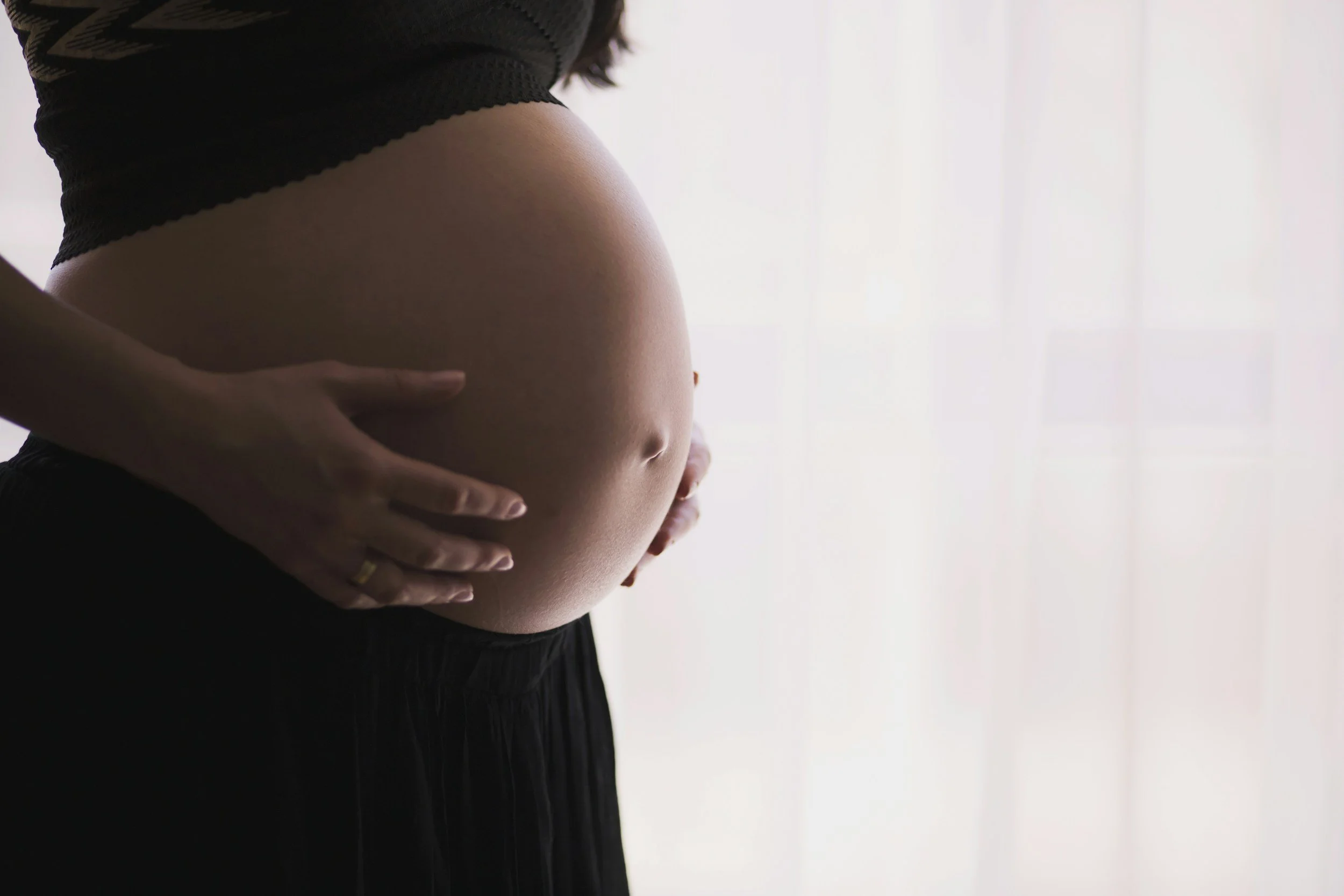
The answer is YES! For most people with an uncomplicated pregnancy, exercise is not only safe but beneficial for both mum and baby.
Regular physical activity can help reduce the risk of excessive pregnancy-related weight gain, gestational diabetes, high blood pressure, pre-eclampsia, depression, and caesarean birth.
Tips for Exercising Safely
Start gradually if you’re new to exercise.
Keep it moderate. You should be able to hold a conversation while exercising.
Stay hydrated and avoid overheating.
Listen to your body and adjust your activity as your pregnancy progresses.
Avoid contact sports and activities with a high risk of falling, such as rugby or gymnastics.
Use supportive clothing and avoid lying flat on your back for prolonged periods, particularly later in pregnancy.
Always check with your healthcare provider if you have concerns or pregnancy-related complications.
How much exercise is recommended?
Frequency - be active most, preferably all, days of the week.
Intensity - moderate intensity for most women; vigorous exercise may be appropriate for women accustomed to it, following individual assessment.
Time - aim for 150–300 minutes of moderate activity weekly. Previously inactive women can start with 15–20 minutes and build gradually.
Type - combine aerobic activity and resistance training, including major muscle groups. aiming for at least 2 Strength Training sessions per week, on non-consecutive days.
When Should You Stop Exercising?
Stop exercising and seek medical advice if you experience
Vaginal bleeding
Abdominal pain
Regular painful contractions
Fluid leaking from the vagina
Dizziness
Chest pain
Headache
Unusual shortness of breath
Muscle weakness affecting your balance
New calf pain or swelling.
Movement is medicine, even during pregnancy! With the right precautions and guidance, staying active can support your physical and mental wellbeing throughout pregnancy.
Choose activities you enjoy, listen to your body, and remember that every pregnancy is different.